October 21, 2026
An air conditioner plays an essential role in preserving daily indoor comfort, particularly when outdoor weather conditions reach severe summer extremes. Preserving the performance of this vital home equipment remains essential for household well-being while simultaneously protecting overall system efficiency across an extended operational lifespan. Postponing required routine maintenance or overlooking obvious operational warning signs frequently causes extensive mechanical damage, leading directly to inflated restoration costs later. Identifying developing functional issues early empowers homeowners to resolve small mechanical problems before total operational failure occurs.
Prompt attention to operational issues prevents soaring monthly electricity bills and avoids potential household health risks caused by degraded indoor environments. Cooling units operating inefficiently consume excessive electrical power, which impacts monthly home utility expenses directly and creates unnecessary financial strain. Furthermore, failing internal components degrade indoor air quality, causing persistent discomfort and potential allergen accumulation throughout your living spaces. Identifying performance drops early keeps family members comfortable, safe, and healthy throughout every demanding season. Homeowners should stay alert for specific functional issues that point toward a clear need for professional air conditioning repair.
1. Unusual Noises Within the Unit
Rattling sounds coming from a cooling system often indicate loose internal components, failing mountings, or trapped foreign debris within the housing. These unsettling noises worsen rapidly when left unaddressed by qualified HVAC technicians, leading to severe structural shaking during standard operation cycles. Loose hardware continuously damages adjacent machinery over time as relentless mechanical vibrations stress internal metal frames and sensitive tubing connections. Dislodged parts wearing against critical fan blades or protective outer housings compromise total system integrity and risk sudden catastrophic failure. Prompt professional evaluation ensures accurate failure diagnosis and protects delicate internal components from compounding structural damage.
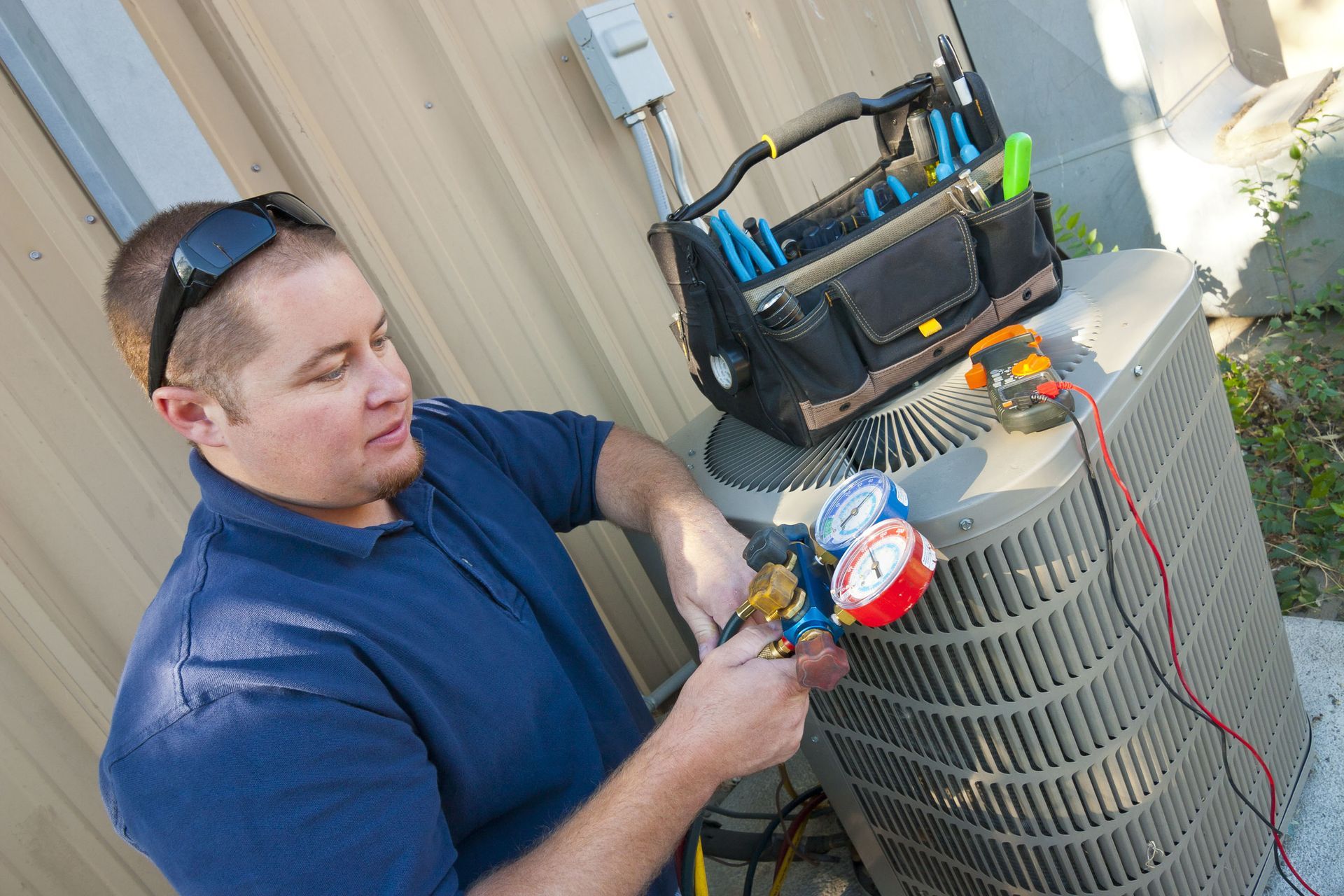
Grinding noises generally point toward severe motor failures, dry bearings, or severely worn drive belts that require immediate mechanical restoration. This sharp metallic friction reduces total cooling capability while actively threatening total motor seizure, which can instantly shut down the entire system. Mechanical motor components require precise lubrication and exact physical alignment to operate smoothly without generating excessive heat or dangerous physical friction. According to HomeGuide, AC repairs focusing on mechanical noises might take anything from 1 to 8 hours. This timeframe depends significantly on which part of the unit needs attention. Therefore, timely consultations save you from extended operation downtime. Professional expertise guarantees that all components are securely fastened. Regular maintenance can prevent such disruptions, ensuring your peace of mind.
2. Inadequate Indoor Cooling Performance
When ventilation registers emit warm air while your system is actively set to cool, internal refrigeration components are failing to perform. Refrigerant depletion, clogged metering valves, or complete compressor failure frequently causes this total lack of cold air production across all household zones. Cooling systems require specific chemical pressure levels to extract heat from home interiors effectively and vent that thermal energy outside. Ignoring warm airflow forces heavy electro-mechanical system components to run constantly, accelerating mechanical wear while dramatically increasing home utility bills. Timely technical evaluations restore proper heat exchange mechanisms, balancing refrigerant pressures across all internal supply lines.
Uneven temperatures between different rooms also suggest underlying mechanical faults, failing control dampers, or severe air distribution issues. Obstructed ductwork, failing blower motors, or miscalibrated wall thermostats disrupt balanced air distribution, leaving specific living spaces uncomfortably warm. Professional technicians utilize specialized airflow testing tools to evaluate system static pressure and ductwork structural integrity throughout the entire dwelling. Addressing air distribution barriers prevents unnecessary energy waste while eliminating uncomfortable hot spots that ruin everyday home enjoyment. Consistent professional oversight and air conditioning repair maintains optimal airflow patterns across your entire residence, ensuring predictable thermal management in every room.
3. Excess Moisture and Active Leakage
Water pooling around indoor equipment indicates blocked condensate drain lines, cracked drain pans, or complete condensate pump failure. Clogged drain channels force condensed water backward out of the collection tray, resulting in dangerous liquid overflow directly around sensitive electrical housing. Prompt technical intervention clears blocked drain lines, flushes biological sludge, and realigns internal drainage components effectively to ensure continuous gravity flow. Resolving drainage failures early protects surrounding home floors, drywall, and ceilings from extensive, highly expensive structural water damage. Regular servicing keeps condensate lines entirely clear, maintaining reliable moisture removal during high-humidity summer months.
Increased indoor humidity levels signal that the cooling system can no longer manage moisture removal effectively during its standard cooling cycles. Malfunctioning equipment struggles to extract ambient humidity from circulating indoor air, leaving indoor spaces feeling sticky, clammy, and profoundly uncomfortable. Uncontrolled indoor moisture promotes rapid mold growth inside hidden ductwork channels, carpeting, and structural building materials throughout the property. Expert technical adjustments restore balanced humidity control performance, returning indoor air parameters to healthy, comfortable levels throughout the home. Maintaining proper indoor humidity levels protects valuable building materials while significantly improving general indoor air quality.
4. Frequent Electrical Disruptions
Repeatedly tripped circuit breakers indicate that the cooling unit is drawing excessive electrical current during its standard operation cycles. Overloaded electrical circuits point toward failing capacitor units, grounded wiring harness faults, or locked compressor motors struggling against high friction. Electrical anomalies create severe safety hazards, including potential wiring fires or irreversible control module destruction, if left unaddressed by certified specialists. Qualified technicians inspect electrical connections, measure voltage drops, and replace compromised wiring hardware safely using professional diagnostic instruments. Routine electrical audits preserve total system safety, prevent sudden power interruptions, and protect sensitive home circuit boards.
Unit responsiveness issues often stem from wiring faults, broken signal paths, or control board failures between the thermostat and main operating modules. Loose connections prevent critical operational signals from reaching the outdoor compressor, reversing valves, and indoor fan assemblies efficiently. Technicians systematically test low-voltage control circuits to isolate broken wires, oxidized terminals, or failing relay switches across the system. Restoring clear electrical signals allows the cooling unit to react promptly and accurately to subtle household temperature adjustments. Expert air conditioning repair keeps control systems communicating accurately for dependable, automated indoor temperature regulation.
5. High Energy Bills and Foul Odors
A sudden, unexplained surge in monthly utility expenses usually indicates severe mechanical inefficiency developing within the primary cooling loops. Compounded mechanical friction, heavily fouled evaporator coils, or failing motor capacitors force the equipment to consume far more power to reach thermostat targets. Continuous high power consumption accelerates internal component wear while inflating monthly living expenses unnecessarily throughout peak summer periods. Professional system restoration optimizes component performance, cleans internal heat transfer surfaces, and reduces total electrical draw back to original baseline factory specifications. Preventive checks ensure system efficiency remains consistently high, saving substantial money during demanding weather conditions.
Foul, musty odors coming from supply air vents point toward biological growth inside the air handler unit or dark ductwork branches. Trapped internal moisture combined with airborne dust particles fosters mold, mildew, and bacterial colonies that pollute household air supplies during operation. Breathing contaminated air poses immediate health risks to family members, particularly young children, elderly residents, or individuals with pre-existing respiratory sensitivities. Technicians clean internal evaporator coils with specialized treatments and sanitize air distribution paths to eliminate odor sources completely at their root. Professional air conditioning repair removes dangerous microbial contamination, ensuring fresh, clean, and healthy air throughout your living space.
Homeowners must remain proactive when observing operational changes, unusual mechanical sounds, or declining cooling performance in their residential cooling equipment. Partnering with certified HVAC technicians ensures long-term system stability, reduced monthly energy costs, and reliable indoor comfort year-round regardless of outdoor conditions. Protecting your substantial home investment requires decisive, timely action whenever performance issues or warning signs arise. Contact Allen Brown Heating & Cooling, LLC today to schedule your next professional
air conditioning repair and restore total comfort, safety, and efficiency to your home environment.